
How Much Does A Small 3D Printer Cost (2026 Buying Guide)
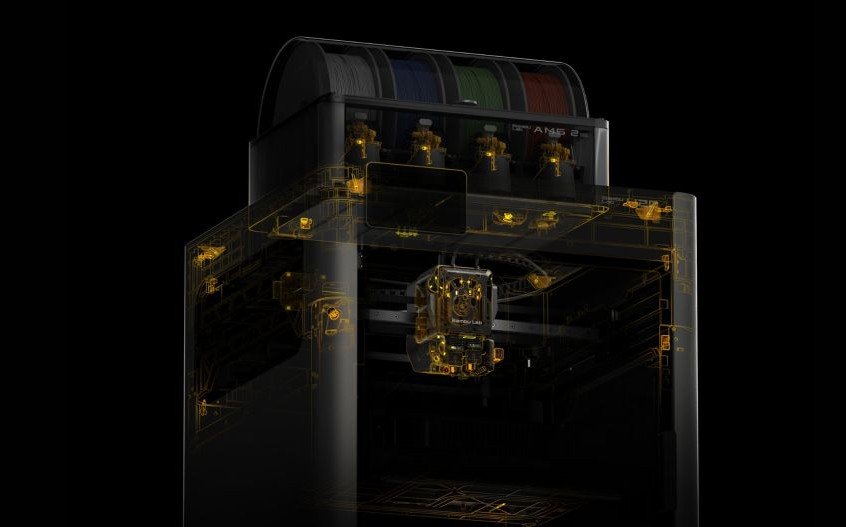
If you are thinking about stepping into the world of 3D printing, one of the first questions you likely have is: how much does a small 3D printer cost?
The short answer is that a quality, compact 3D printer typically costs between $180 and $350. how much does a small 3d printer cost. While high-end industrial models can run into thousands of dollars, entry-level and compact desktop machines have become remarkably powerful, fast, and user-friendly without breaking the bank.
Here is a breakdown of what you can expect on how much does a small 3d printer cost, along with hidden costs to keep in mind before making your purchase.
How Much Does A Small 3D Printer Cost. Here’s a simple breakdown
| Category | Price Range | Example Models | Best For |
| Budget Entry-Level | $150 – $200 | Creality Ender-3 V3 SE, Anycubic Kobra 2 Neo | Tinkers, students, and budget-conscious beginners |
| Compact Plug-and-Play | $200 – $350 | Bambu Lab A1 Mini, Elegoo Neptune 4 | Fast, reliable printing with minimal assembly/tuning |
| Small Resin (SLA) | $180 – $300 | Elegoo Mars series, Anycubic Photon Mono | High-detail miniatures, jewelry, and tabletop gaming |
| Enclosed / Mid-Range | $300 – $600 |
Breakdown by 3D Printing Technology
1. Small FDM Printers (Filament)
Average Cost: $180 – $300
How It Works: Melts plastic filament layer-by-layer to build object geometry.
Why Choose It: FDM printers are clean, straightforward, and ideal for printing functional parts, toys, and household items. Modern small FDM printers (like the Bambu Lab A1 Mini) come equipped with auto-bed leveling, vibration compensation, and multi-color printing capabilities right out of the box.
2. Small Resin Printers (SLA/LCD)
Average Cost: $180 – $300
How It Works: Uses a UV light or laser to cure liquid resin.
Why Choose It: Resin printers deliver ultra-high resolution and smooth surface finishes. If your main goal is printing table-top miniatures or intricate models, resin is the way to go. Keep in mind that resin requires post-processing steps (washing in isopropyl alcohol and UV curing).
What Drives the Price of a Small 3D Printer?
Automation & Features: Budget printers require manual bed leveling and fine-tuning. Paying $50 to $100 more usually gets you auto-calibration, touchscreens, and filament-runout sensors.
Speed & Acceleration: High-speed motion systems (such as Klipper-powered or CoreXY setups) allow printing 2x to 5x faster without sacrificing quality.
Multi-Color Capabilities: Systems that allow automatically switching between multiple spools or colors will add roughly $50–$100 to the baseline price.
Hidden Costs: Year-One Expenses to Budget.
The machine sticker price is just the initial investment. When planning your budget, factor in these ongoing or starter essentials:
Filament / Resin: A 1kg spool of standard PLA filament runs $18 – $25, while standard UV resin costs $25 – $40 per liter.
Spare Parts & Wearable Items: Extra nozzles, replacement build surfaces, or resin VAT films will add about $20 – $30 annually.
Accessories & Safety (Resin): Nitrile gloves, isopropyl alcohol (IPA), and curing stations cost an extra $40 – $80.
Pro Tip: Avoid bottom-of-the-barrel printers priced under $120. These budget-cut models often lack automatic bed leveling and structural rigidity, leading to failed prints that waste far more money in ruined filament than you saved on the printer itself.
For most hobbyists, educators, and beginners, the sweet spot for a small 3D printer sits between $200 and $300. how much does a small 3d printer cost. Spending within this range ensures you get auto-leveling, reliable print speeds, and a painless setup process right out of the box.